
Electronic waste, or e-waste, is one of the fastest-growing waste streams globally, driven by rapid technological advancements and the increasing consumption of electronic devices. The hazardous materials contained within e-waste and the valuable resources recoverable through recycling make its management a pressing environmental issue. Efficient collection is crucial to the e-waste management process, and smart solutions are emerging to revolutionize this critical step. This blog explores the current state of e-waste logistics, technological advancements, successful case studies, future trends, and the benefits and challenges of adopting smart collection solutions.
Current State of E-waste Logistics
The Global E-waste Monitor 2020reported a staggering 53.6 million metric tons of e-waste generated worldwide in 2011. Only 17.4% of the e-waste was recycled properly.
The logistical challenges of e-waste collection are multifaceted. They include inefficient collection systems, inadequate infrastructure, and a lack of public awareness. Many regions rely on informal sectors for e-waste collection, leading to unregulated processing and environmental contamination. Additionally, the diverse nature of e-waste, ranging from large household appliances to small personal devices, complicates collection efforts.

Technological Advancements in E-waste Logistics
Smart technologies are transforming the landscape of e-waste logistics, making collection more efficient and environmentally friendly.
Smart Collection Systems
IoT-enabled bins are a promising innovation. Sensors in these bins monitor fill levels and transmit real-time data to collection agencies. This allows collection agencies to only empty bins when they are full, optimizing collection routes and reducing unnecessary trips. GPS tracking further enhances route optimization by allowing real-time monitoring of collection vehicles, leading to reduced fuel consumption and emissions.
Data Analytics
Data analytics plays a crucial role in optimizing e-waste collection. By analyzing data from IoT devices, collection schedules can be dynamically adjusted based on real-time demand. Predictive analytics can forecast future e-waste generation patterns, allowing for better resource allocation and planning.
Blockchain Technology
Blockchain technology offers a transparent and secure way to track e-waste from the point of collection to final disposal. Recording each step of the process on a blockchain ledger creates a traceable record, hindering illegal dumping. This technology can also facilitate the verification of compliance with environmental regulations.
Case Studies:
Several cities and companies have successfully implemented smart solutions for e-waste collection, demonstrating their feasibility and benefits.
Successful Implementations
In Sweden, the city of Stockholm has integrated IoT-enabled bins with its municipal waste management system. This initiative has led to a 30% reduction in collection costs and a significant decrease in carbon emissions. The real-time data from these bins allows for precise scheduling of collection services, minimizing the environmental footprint of e-waste logistics.
In the private sector, Dell Technologies has embraced blockchain technology to track its electronic products throughout its lifecycle. By ensuring responsible processing of returned products, this system efficiently recovers valuable materials.
Lessons Learned
These case studies highlight the importance of integrating smart technologies with existing infrastructure and the need for collaboration between the public and private sectors. They also demonstrate that public awareness and participation are crucial for the success of e-waste collection programs.
Future Trends and Innovations:
The future of e-waste logistics is bright, with several emerging technologies and trends set to drive further improvements.
Emerging Technologies
Artificial Intelligence (AI) is expected to play a significant role in the future of e-waste logistics. AI algorithms can analyze vast amounts of data to identify patterns and optimize collection strategies. Machine learning can improve the accuracy of predictive models, leading to more efficient resource allocation.
Policy and Regulation
Future regulations are likely to emphasize the importance of extended producer responsibility (EPR), where manufacturers are held accountable for the entire lifecycle of their products. This shift will drive innovation in product design and encourage the adoption of smart logistics solutions to manage e-waste more effectively.
The WEEE (Waste Electrical and Electronic Equipment) Directive is a regulatory framework enforced in the European Union that mandates the collection, treatment, and recycling of e-waste
Sustainability and Circular Economy
Smart e-waste logistics solutions will be integral to promoting a circular economy. By ensuring that e-waste is collected efficiently and processed responsibly, valuable materials can be recovered and reused, reducing the need for virgin resources and minimizing environmental impact.
Benefits of Smart E-waste Collection Solutions
The adoption of smart solutions for e-waste collection offers numerous benefits.
Environmental Impact:
Efficient e-waste collection reduces the risk of hazardous materials contaminating the environment. Proper recycling of e-waste prevents the release of toxic substances such as lead, mercury, and cadmium, safeguarding ecosystems and human health.
Economic Benefits
Smart logistics can significantly reduce the costs associated with e-waste collection. Optimized routes and schedules lower fuel consumption and operational expenses. Additionally, recovering valuable materials from e-waste generates revenue, offsetting some of the costs of collection and recycling.
Social Impact
Improved e-waste collection systems create job opportunities in the recycling and waste management sectors. By fostering a culture of responsible disposaland recycling, communities can benefit from cleaner environments and enhanced public health.
Challenges and Considerations
Despite the potential benefits, several challenges must be addressed to realize the full potential of smart e-waste collection solutions.
Technological Barriers
The implementation of advanced technologies such as IoT, AI, and blockchain requires significant investment and technical expertise. Developing countries, in particular, may face difficulties in adopting these technologies due to limited resources and infrastructure.
Implementation Costs
While smart solutions can lead to long-term savings, the initial investment in technology and infrastructure can be substantial. Securing funding and demonstrating the return on investment can be challenging, especially for municipalities with limited budgets.
Regulatory and Compliance Issues
Navigating the complex regulatory landscape of e-waste management can be daunting. Ensuring compliance with local, national, and international regulations requires continuous monitoring and adaptation. Furthermore, harmonizing regulations across regions can facilitate more efficient and effective e-waste logistics.
Best Practices for Implementing Smart E-waste Logistics
The successful implementation of smart e-waste logistics hinges on a strategic approach that combines innovative technologies with robust best practices. Here’s a breakdown of key best practices that can pave the way for a more efficient and sustainable e-waste management system:
Pilot Projects: A Stepping Stone to Success
Before embarking on a full-scale deployment of smart technologies, pilot projects offer invaluable insights and allow for course correction. These targeted initiatives enable stakeholders to:
- Test Functionality: Pilot projects provide a real-world testing ground for smart bins, tracking systems, and mobile apps. This allows for the evaluation of their effectiveness in different environments and the identification of any technical glitches or operational challenges.
- Optimize Performance: Through pilot projects, data can be collected on factors like collection rates, user adoption, and operational costs. This data can then be used to refine the technology and optimize its performance before wider implementation.
- Identify Unforeseen Issues: Pilot projects can help uncover unforeseen challenges, such as public acceptance of new collection methods, integration with existing infrastructure, or potential security concerns with data collection. By identifying these issues early, adjustments can be made before a larger rollout.
- Build Public Trust: Pilot projects can serve as a springboard for public education campaigns. By showcasing the benefits of smart e-waste collection in a specific area, public trust and understanding can be fostered, paving the way for broader adoption.
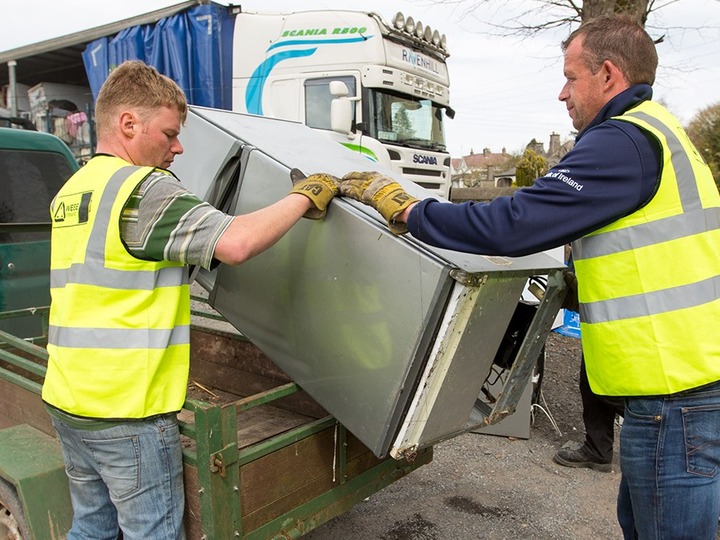
Public Awareness Campaigns: Empowering Responsible Disposal
For smart e-waste logistics to reach their full potential, public awareness is paramount. Effective communication strategies can:
- Educate about E-waste Issues: Campaigns can educate the public about the environmental and health hazards associated with improper e-waste disposal. This raises awareness about the importance of responsible e-waste management and encourages participation in new collection initiatives.
- Promote Smart Solutions: Public awareness campaigns can specifically focus on explaining how smart solutions work. This includes educating users about the benefits of smart bins, reverse vending machines and mobile app-based collection services.
- Provide Clear Instructions: Detailed instructions on how to utilize new collection methods are crucial. Campaigns should clearly explain the types of e-waste accepted, proper preparation methods for electronics, and how to interact with smart bins or mobile apps.
- Target Specific Audiences: Tailored messaging can be more effective. Campaigns can target specific demographics like young adults, families, or small businesses, addressing their unique needs and concerns regarding e-waste disposal.
Collaboration: A Force Multiplier
No single entity can achieve success alone. Collaboration among stakeholders fosters knowledge sharing, resource optimization, and a more unified approach to e-waste management. Here are key players and potential collaborations:
- Government Agencies: Collaboration with government agencies allows for the development of supportive policies that incentivize smart technology adoption in e-waste collection. Additionally, government agencies can provide funding or partner in pilot projects to accelerate implementation.
- Private Companies: Technology companies can play a vital role in developing and implementing smart collection solutions. Collaboration between e-waste collection and recycling organizations with technology providers can lead to innovative solutions tailored to specific needs.
- Non-Profit Organizations: Non-profit organizations can offer valuable expertise in public education and community outreach. Collaborations can leverage their networks to raise awareness about e-waste issues and promote responsible disposal practices through smart solutions.
Policy Recommendations for Supporting Smart E-waste Logistics
The transition to smart e-waste logistics requires a supportive policy framework. Here are key policy recommendations that can incentivize innovation, promote responsible practices, and create a more sustainable e-waste management system:
Financial Incentives: Catalyzing Investment
Investing in smart e-waste collection technologies like smart bins, reverse vending machines, and tracking systems can be a significant upfront cost. Policymakers can play a crucial role in encouraging investment by implementing financial incentives, such as:
- Grants and Subsidies: Providing grants or subsidies to municipalities and e-waste collection organizations can help offset the initial costs associated with acquiring and deploying smart technologies. This financial support can be crucial in kickstarting the transition and accelerating the adoption of smart solutions.
- Tax Breaks: Tax breaks can incentivize companies to invest in smart e-waste collection infrastructure. This could involve tax deductions for companies that implement smart solutions or invest in research and development of innovative e-waste collection technologies.
- Loan Programs: Establishing loan programs with low interest rates or favorable repayment structures can make smart technology adoption more accessible for municipalities and e-waste collection organizations. These programs can make it easier for them to finance the initial investment without straining their budgets.
Extended Producer Responsibility (EPR) Regulations: Shifting the Burden
Currently, the burden of managing e-waste often falls on consumers or municipalities. EPR regulations can create a more sustainable model by holding manufacturers accountable for the entire lifecycle of their products, including their end-of-life management. Effective EPR policies can:
- Producer Take-Back Programs: Mandate manufacturers to collect and recycle a specific percentage of the e-waste they produce. This incentivizes manufacturers to design products that are easier to disassemble and recycle, ultimately reducing the environmental impact of their products.
- Financial Responsibility: Require manufacturers to contribute financially to support e-waste collection and recycling programs. These contributions can be used to fund pilot projects, build essential infrastructure for smart e-waste logistics, and subsidize collection costs for consumers.
- Eco-design Standards: Encourage manufacturers to adopt eco-design principles by setting standards for the use of recyclable materials and designing products that are easier to disassemble and repair. This not only reduces the environmental impact of production but also simplifies the recycling process and resource recovery from e-waste.
Standardization: Paving the Way for Efficiency
A lack of standardization can create inefficiencies in e-waste collection and processing. Standardized protocols can streamline operations, improve efficiency, and ensure compatibility between different smart technologies. Policy recommendations in this area can include:
- Standardized Data Formats: Establishing standardized data formats for e-waste collection can allow for seamless communication between smart bins, tracking systems, and recycling facilities. This ensures data collected across different locations is compatible and can be used effectively to optimize collection routes and resource allocation.
- Universal Labeling System: A universal labeling system for e-waste can help consumers easily identify the type of electronics they possess and the appropriate collection method. This could involve standardized symbols or labels that indicate if an electronic device is suitable for smart bin collection, reverse vending machines, or dedicated drop-off locations.
- Interoperability Standards: Developing interoperability standards for smart e-waste collection technologies can ensure compatibility between different systems. This would allow for easier integration of existing infrastructure with new technologies, avoiding unnecessary replacement costs and promoting a more seamless transition to smart e-waste logistics.
Conclusion
The future of e-waste logistics lies in the adoption of smart solutions that leverage advanced technologies to optimize collection and processing. By addressing current challenges and embracing innovations such as IoT, AI, and blockchain, we can create a more efficient, sustainable, and economically viable system for managing e-waste. The benefits of these solutions extend beyond environmental protection to include economic gains and social improvements, making the pursuit of smart e-waste logistics a worthy endeavor.


