
With new gadgets and devices hitting the market all the time. But what happens to our old electronics when they become outdated or malfunctioning? This is where the concept of e-waste disposal comes in. E-waste, or electronic waste, refers to any unwanted, obsolete, or broken electronic equipment. Improper disposal of e-waste can have serious consequences for the environment and our health.
This guide is designed to empower you, the consumer, to dispose of your e-waste safely and sustainably. We’ll explore the hidden dangers of improper disposal, delve into responsible recycling practices, and equip you with actionable tips to make a positive impact.
E-waste, also known as electronic waste, is the world’s fastest-growing waste stream, according to the International Solid Waste Association (ISWA). This ever-expanding mountain of discarded electronics poses a significant threat to our planet’s health. Let’s delve deeper into why responsible e-waste disposal is absolutely crucial.
Toxic Components:
Many of the electronic devices we rely on daily contain hazardous materials. These include:
Lead:
Heavy metal is known to damage the nervous system, especially in children. Lead exposure can cause learning disabilities, behavioral problems, and even stunted growth.
Mercury:
A neurotoxin that can impair brain function, memory, and coordination. Mercury contamination can also harm wildlife that ingest it through contaminated water sources.
Arsenic: A potent carcinogen linked to various cancers, including skin, lung, and bladder cancer.
Brominated flame retardants (BFRs):
These chemicals are used to slow down fires in electronics but can disrupt hormones, leading to developmental problems and reproductive issues.
When we throw away our electronics in landfills, these toxic materials don’t magically disappear. Over time, they can leach out of the devices and contaminate the surrounding soil and groundwater. This contaminated water can then seep into streams, rivers, and ultimately, our drinking water supply. The consequences can be devastating, causing a range of health problems for humans and wildlife alike.
Losing the Gold Mine: The Hidden Value of E-waste
Manufacturing electronics requires a tremendous amount of raw materials. Think about the metals like copper, gold, and aluminum used in circuits and wiring. There are also rare earth elements, essential for many electronic components, that are mined from ecologically sensitive areas.
E-waste represents a treasure trove of these valuable resources. By properly recycling our old electronics, we can recover these materials and use them to manufacture new devices. This reduces our reliance on virgin materials, which translates to:
Less Mining:
Mining activities can have a significant environmental impact, causing deforestation, soil erosion, and water pollution. Reduced reliance on virgin materials means less environmental damage caused by mining.
Conservation of Resources:
Some of the materials used in electronics, like rare earth elements, are becoming increasingly scarce. Recycling helps us conserve these precious resources for future generations.
Reduced Energy Consumption:
Extracting and processing virgin materials requires a lot of energy. Recycling e-waste uses significantly less energy, making it a more sustainable option.
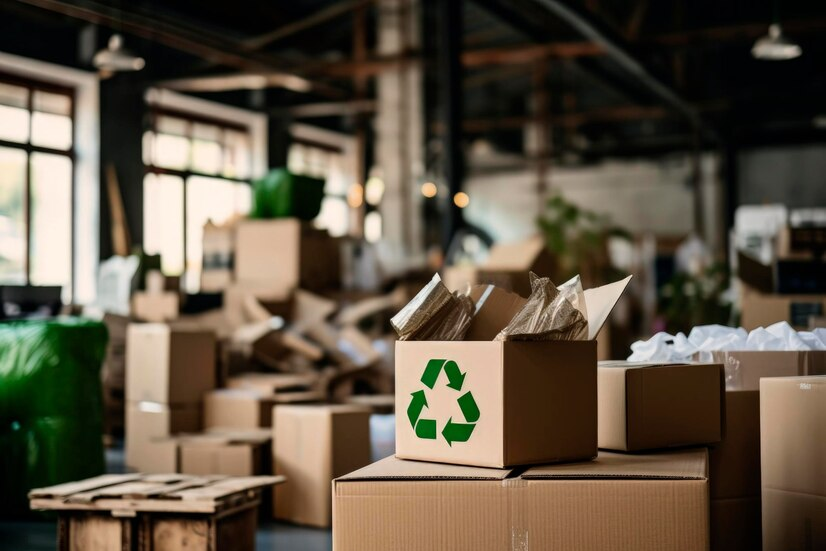
Energy Champions: The Green Choice of E-waste Recycling
The process of recycling e-waste is far more energy-efficient compared to manufacturing electronics from scratch. Here’s why:
- No Need to Start from Scratch: Recycling involves recovering existing materials from old electronics. This eliminates the need to extract and process virgin materials, which is a very energy-intensive process.
- Breaking Down, Not Building Up: Recycling uses less energy to break down existing materials and re-shape them into new components. This is significantly less energy-intensive compared to the complex processes involved in manufacturing new electronics from scratch.
By choosing to recycle our e-waste, we contribute to a smaller carbon footprint for the electronics industry. This translates to cleaner air, reduced greenhouse gas emissions, and a more sustainable future for our planet.
Why Traditional Disposal Doesn’t Cut It
Tossing your old electronics in the trash bin might seem like the easiest solution – a quick heave and it’s out of sight, out of mind. But this seemingly convenient act is a major environmental misstep with far-reaching consequences. Let’s delve deeper into why the trash bin is not the answer for e-waste disposal.
Landfill Blues: A Slow Poisoning of Our Environment
Landfills are designed for waste that decomposes naturally, not for the toxic cocktail found in e-waste. These electronic devices contain hazardous materials like lead, mercury, arsenic, and flame retardants. Here’s the problem:
- Leaching Toxins: Over time, these hazardous materials can leach out of the devices in landfills. Rainwater can seep through the landfill, carrying these toxins with it and contaminating the surrounding soil and groundwater.
- Polluted Water Sources: Contaminated groundwater can eventually make its way into our rivers, streams, and even drinking water supplies. This poses a serious health threat to humans and wildlife alike.
- Long-Term Impact: The toxic effects of these materials can persist in the environment for a long time, causing lasting damage to ecosystems.
That’s what happens when we throw e-waste in landfills. It’s a hidden threat with potentially devastating consequences.
Lost Resources: Throwing Away a Treasure Trove
Our electronic devices are packed with valuable resources – copper, gold, aluminum, and even rare earth elements. Manufacturing new electronics requires significant mining of these very materials. But what if we told you there’s another way?
E-waste is essentially a treasure trove of these resources waiting to be tapped. By properly recycling our old electronics, we can:
- Recover Valuable Materials: Recycling processes can extract these valuable resources from e-waste. They can then be used to manufacture new electronics, reducing the need for virgin materials.
- Reduce Mining Activity: Less reliance on virgin materials means less mining, which translates to less environmental damage caused by deforestation, soil erosion, and water pollution at mining sites.
- Conserve Resources for the Future: Some of the materials used in electronics, like rare earth elements, are becoming increasingly scarce. Recycling helps us conserve these precious resources for future generations.
Throwing away e-waste is like throwing away a treasure chest. By choosing responsible recycling, we can recover these valuable materials and use them wisely.
The Dark Side of Informal Recycling: A Global Problem
Unfortunately, not all e-waste ends up in proper recycling facilities. In some developing countries, informal recycling practices create a hidden environmental and human health crisis.
Here’s how:
- Improper Techniques: Informal recycling often involves crude methods like burning or acid baths to extract materials. These practices release toxic fumes into the air and pollute the surrounding environment.
- Worker Health Risks: The workers involved in these informal recycling operations are often exposed to hazardous materials without proper protection, leading to serious health problems.
- A Global Issue: This isn’t just a problem in faraway countries. E-waste shipped for “recycling” can sometimes end up in these informal facilities, creating a global environmental and health concern.
Here are some resources to help you find safe e-waste disposal options:
Earth911:This website (Earth911: https://earth911.com/) allows you to search for e-waste collection locations based on your zip code.
e-Stewards:This non-profit organization (e-Stewards: https://www.e-stewards.org/) certifies responsible e-waste recyclers. By searching their database, you can find reputable e-waste processors in your area.
Important Tip: Before dropping off your e-waste, remember to remove any personal data from your devices. This includes wiping your hard drive, deleting accounts, and removing batteries (if applicable).
Repurposing and Donating E-waste
While responsible recycling is crucial, there are other ways to extend the life of your electronics before resorting to disposal:
Repurpose:
Consider repurposing your old electronics for a new use. Can your old tablet become a digital photo frame? Can your outdated smartphone be used as a music player? Get creative and explore new ways to use your old devices.
Donate:
If your electronics are still functional, consider donating them to a charity, school, or community center. This can provide valuable resources to those in need.
Sell:
If your electronics are in good condition, consider selling them online or through consignment shops. This gives your device a second life and allows you to recoup some of the cost.
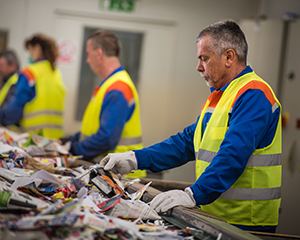
Taking Action: Empowering Yourself for Sustainable E-waste Disposal
- Responsible recycling is the key. Look for certified e-waste recycling programs or manufacturer/retailer take-back programs.
- Data security is essential. Always wipe your data before disposing of electronics.
- Think beyond disposal. Repurpose, donate, or sell your electronics if possible.
Empowering Yourself:
Here are some additional steps you can take to be a champion for sustainable e-waste disposal:
- Educate yourself and others. Spread awareness about the importance of responsible e-waste disposal by talking to friends and family, sharing information on social media, or even organizing a community cleanup event focusing on e-waste.
- Support sustainable practices. Look for electronics manufacturers known for their commitment to sustainability and ethical sourcing of materials.
- Advocate for change. Contact your local representatives and urge them to support legislation promoting responsible e-waste management and extended producer responsibility (EPR) programs, which hold manufacturers accountable for the end-of-life cycle of their products.
The Future of E-waste:
Innovation and collaboration are key to tackling the growing e-waste challenge. Here are some promising areas of development:
Design for disassembly:
Electronics manufacturers are increasingly designing products that are easier to disassemble and recycle. This allows for more efficient recovery of valuable materials.
Urban mining:
Urban mining refers to the process of extracting valuable resources from e-waste. This can help reduce our reliance on virgin materials and create a more circular economy for electronics.
Advanced recycling technologies:
New technologies are being developed to improve the efficiency and effectiveness of e-waste recycling, allowing us to recover a wider range of materials.
By making informed choices about e-waste disposal, we can all contribute to a healthier planet and a more sustainable future. Remember, every action counts. By following the tips outlined in this guide and staying informed about the latest advancements in e-waste management, you can be a responsible consumer and a champion for environmental protection.
Additional Resources:
- Environmental Protection Agency (EPA) on E-waste: https://www.epa.gov/international-cooperation/cleaning-electronic-waste-e-waste
- The Basel Action Network (BAN) on E-waste: https://www.ban.org/
Let’s work together to ensure our old electronics don’t become a burden on our planet. Start your journey towards responsible e-waste disposal today!
